Material Change explores the relationship between visual art, materiality and ecology. The project invites artists, designers, and material researchers to consider how the Climate Emergency intersects with the materials, processes and ideas that shape their practice.
We’re Sculpture Placement Group (SPG). Our mission is to support artists and ensure that art is a vital part of everyday life. Through pioneering initiatives and practical, open-access tools, we work to break down barriers for artists while supporting the wider arts sector to address the urgent challenges of the Climate Emergency. Material Change makes space for different forms of knowledge, experimentation and critical reflection.
Sculpture is inseparable from its materiality. Material Change creates space to look more closely at these relationships, asking artists to respond to questions around materials, ecology, sustainability, care and the environments in which artworks exist.
The project takes an open and evolving approach. Responses might take the form of conversation, moving image, research, documentation or other creative approaches, allowing artists to interpret the brief through their own practices. Rather than seeking a single position on ecological responsibility,
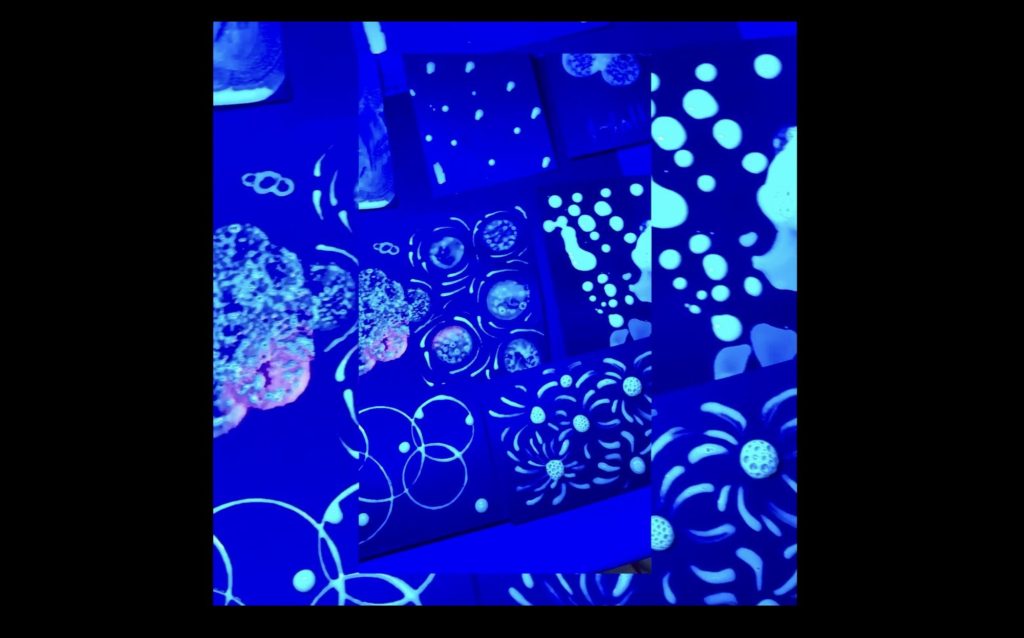
Franklin Studio is a Vancouver-based research-driven design studio exploring how materials relate to the systems in which we exist. For Material Change, founder Marni created Buzzworthy, a video exploring bees, ultraviolet perception and the material properties of the horse chestnut tree. Made through an intergenerational process with her nieces, the work combines poetry, song, experimentation and a UV gallery for bees, asking what we might notice when we look beyond human ways of perceiving the environments we share.
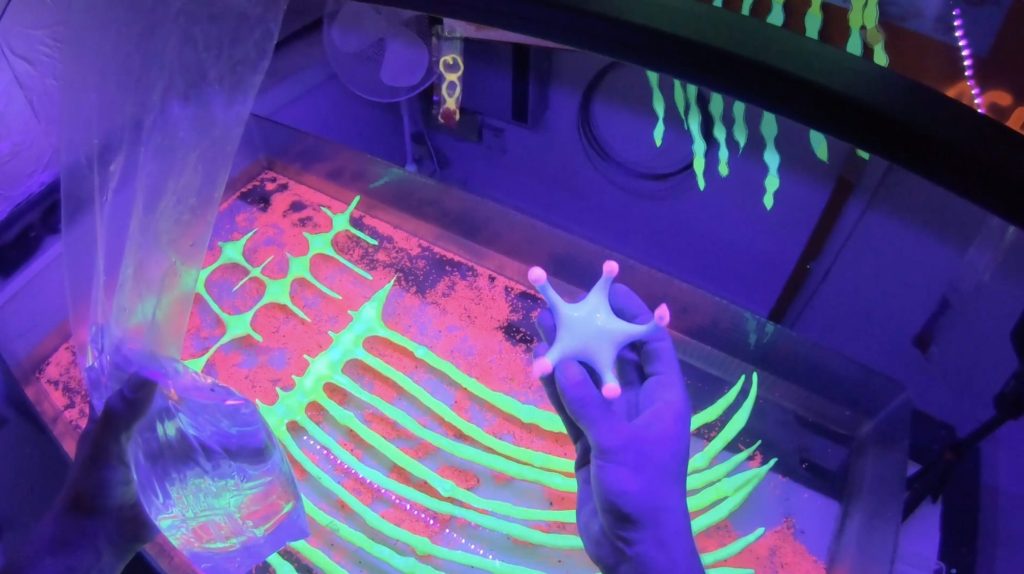
In Ashton Reefer, a commissioned video work for Material Change, Matty Rimmer adopts the format of a fictional YouTube aquarium channel. Using the visual language of reef sellers and aquascaping influencers, Rimmer presents fabricated aquatic creatures made from bioplastic within a synthetic reef environment. The work explores how ideas of care, conservation and sustainability become entangled with aesthetics, consumption and human control.
Asbestos Clay, Ceramics Research & Social Histories
Benadette Pompili, a social designer and ceramic researcher based in Amsterdam. Her practice focuses on materials and their narratives, with particular attention to the ecological impact of art, design, and industrial production. Through her research, Pompili aims to spread knowledge, encourage care, and retrace tradition by thinking and acting intersectionally.
Asbestos Clay, Ceramics Research & Social Histories
The Future Materials Bank is part of the innovative Nature Research Department at the Jan van Eyck Academie, leading this department is Giulia Bellinetti. Artists, designers and material researchers develop ecological materials and processes that inspire a reconceptualisation of our relationship to the object and the role of non-human actors in our lives.
Robertson works in print, sculpture and installation, engaging systems of technology, advertising and print media through material processes. Focusing on one of Kate V Robertson’s public commercial commission, the discussion explores how stakeholders shape production and her material approach across her wider practice.